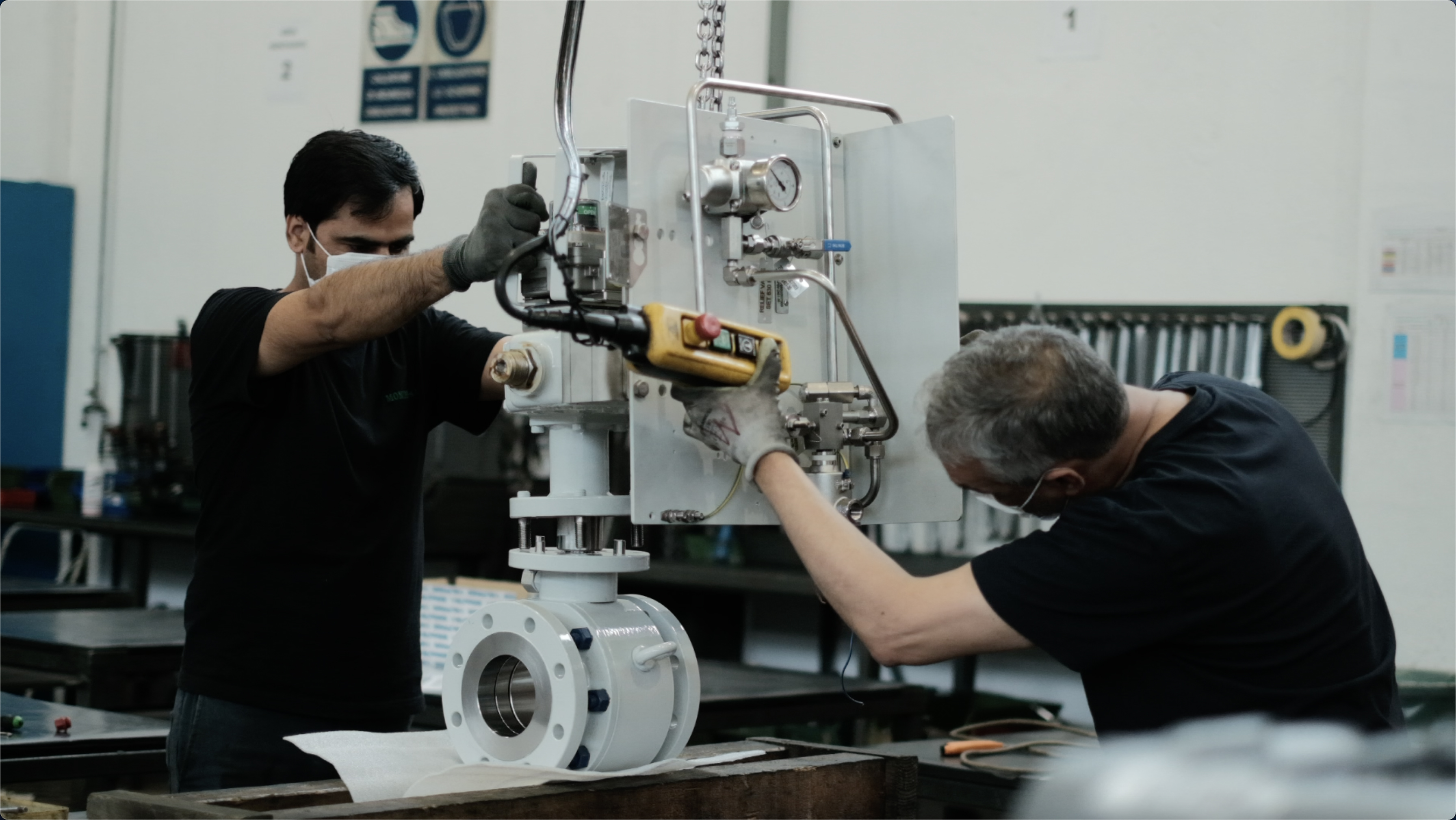
Grasping Gate Valves: Forms, Purposes, and Preservation
Partition Gates, that minimalistic tool for detaching transit in tubing, provide a elementary method for launching or stopping fluid course. Prevalent forms include rising gate, globe gate, and incised gate, each suited for definite applications, such as fuel treatment, liquid filtration, and manufacturing facilities. Systematic servicing, including visual reviews, greasing of mobile sections, and infrequent renewal of old buffers, is crucial for ensuring stable performance and boosting the device's term}.Picking The Stream Control
Whenever designing one fluid management, selecting a suitable regulator model is paramount for reliable conduct. Spherical valves and barrier valves are regularly utilized, but satisfy sharply distinct jobs. Gate-type valves are intended chiefly for fully blocking movement and are are not aptly fashioned for throttling stream speeds. Contrarily, globe valves give fine competencies for accurate current modulation and are typically selected where fluctuating transit quantities are desired. Consider a design's unique obligations before establishing that ultimate decision.
- Stop valves - Prime for activate-deactivate operation.
- Globe valves - Excellent for adjusting current.
Anti-reverse Valve Functionality: Forbidding Backwash in Duct Configurations
Check valves are critical components in many commercial plumbing networks, designed to guarantee one-way passage of materials. Their chief purpose is to block reverse flow, that could harm machinery, pollute supplies, or disrupt workflows. They regularly execute self-drivenly, letting transit in one vector while strongly stopping movement in the opposite line.
Ball Valves: Strengths and Negatives for Production Function
Rotary valves are commonly employed in enterprise settings due to their plain design and steady operation. Still, it’s crucial to understand both their profitable aspects and potential disadvantageous characteristics. Primarily, ball valves offer rapid shut-off capabilities, impressive flow control when activated in a throttled position (though typically not recommended for prolonged throttling), and are reasonably budget-friendly compared to other valve styles.
- Basic Upkeep
- Low Force Decline
- Tight Fastening
Comparing Valve Varieties: Gate, Globe, Check, and Ball
Knowing the variations relating to valve varieties is imperative for picking the fitting design for a marked purpose. Let’s efficiently examine four regular valves: gate, globe, check, and ball. Gate regulators supply minimal resistance to stream when fully clear, making them prime for substantial throughput uses, but having poor governance capabilities. Globe mechanisms, in counterpoint, boast a element that sits against a port, allowing for regulated stream supervision, although at the drawback of elevated tension reduction. Check components are made to automatically stop retrograde flow, conducting as a single-direction security trait. Finally, ball systems employ a turning orbital body with a gap to permit movement, delivering prompt clearance and deactivation with comparatively low liquid decline.
- Gate Valves: smallest impedance
- Globe Valves: detailed governance
- Check Valves: avoid reflux
- Ball Valves: swift exposure
Opting for the Best Apparatus: A Instruction to Cutoff, Sphere, Reflux Prevention, and Ball
While managing with gas transfer, picking the ideal regulator is important. Gate mechanisms offer reduced impedance and are perfect for unobstructed use, but don't well-suited for controlling. Globe devices provide excellent flow control and are appropriate for operations requiring modulated flux rates. Check components are self-operating and enable movement in a direction only, prohibiting reflux. Finally, ball mechanisms offer quick transition and are typically used in elevated functions due to their strong construction.
Fixing Frequent Defects in Gate, Globe, and Ball Valves
Handling malfunctioning gate, globe, and ball apparatuses can pneumatic butterfly valve be irritating, but several common issues are easily dealt with with a minimal of understanding. Here’s some typical problems and feasible solutions. For gate mechanisms, check for permeation around the shell, which typically indicates a failing barrier. Globe controls are prone to clogging due to buildup – engage intermittent hand function or washing to clear the restriction. Ball controls will experience gasket leaks if the rotor is damaged; exchange the gasket is customarily the simplest plan.
- Scrutinize for rust
- Authenticate correct application
- Think about trained help if the trouble remains
Each Function of Uni-directional Components in Supporting Pipeline Security
Backflow units fulfill a essential job in strengthening aggregate network safety across several branches.Such impede reverse flow of elements, which shall create important risks namely corruption of supplies, devices fault, and even personnel damage.Namely, in, in a water delivery, non-return systems protect the origin from falling harmed by reverse movement. Besides, these mechanisms facilitate reliable termination methods and curb the exposure for unplanned spillage happenings.
Visualize one following cases:
- Preservation of essential apparatus from breakage due to reverse pressure.
- Guaranteeing the quality of drinkable H2O inventories.
- Restraining unsafe product backflow into secure areas.
Examining Valve Apparatus Types: Gate, Globe, Ball, and Check
Although all serving as critical components in liquid conveyance, gate, globe, ball, and check regulators differ significantly in design and use. Shutoff valves offer low flow impedance when fully unobstructed, ideal for isolation but