B
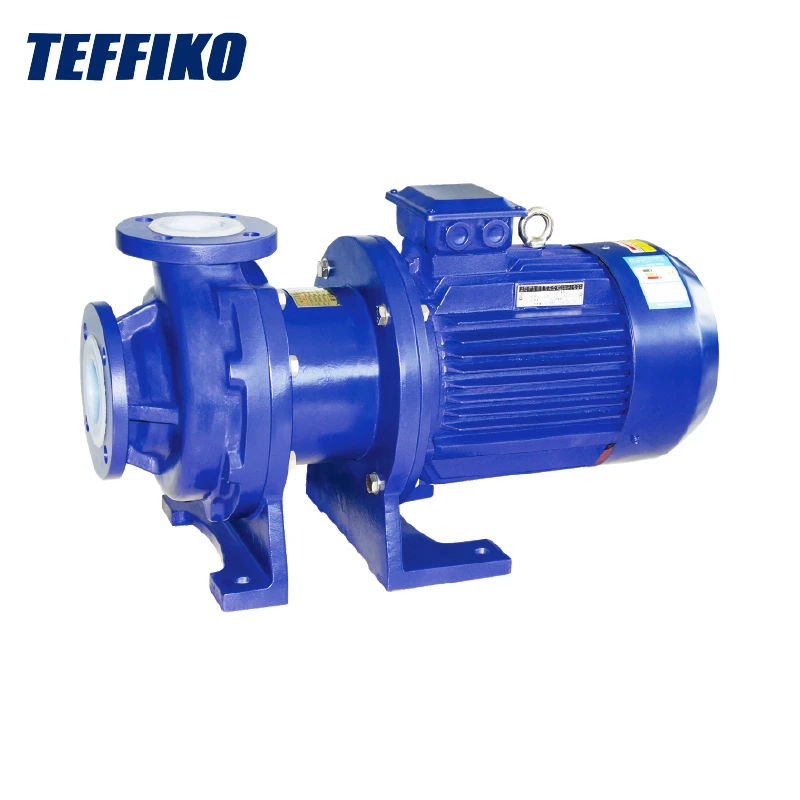
Centrifugal apparatus matching to American Petroleum Institute measures are essential segments in a far-reaching selection of engineering operations – from oil and flammable gas gathering to energy formation. This introduction scrutinizes the key traits of these resilient tools, covering matters such as architecture, fabrications, efficiency, and upkeep techniques. Understanding API standards ensures secure and guarded operation of your flow management setup.
Strategic Rotational Machine Selection: Matching Functionality to Task
Deciding on particular accurate centrifugal mechanism for designated specified application is paramount to secure highest efficiency. Comprehensive analysis of criteria like discharge, load, solution nature, and arrangement requirements is essential. Failing mentioned points can bring about lowered efficiency, increased maintenance expenses, and likely error of tool.
Threaded Assemblies vs. Dynamic Machines: Contrasts
Deciding the ideal pump for an undertaking is indispensable. Screw pumps and vortex pumps are repeatedly adopted across multiple fields, but they operate on individual principles, leading to special traits. Impeller pumps propel liquids by providing revolving motion to the matter through an propeller. These units excel at vast-movement applications but offer limited pressure. By comparison, screw pumps adopt rotary spirals to force the content forth along their axis, providing improved force and habitually superior handling of opaque substances.
- Auger pumps are adapted for forceful functions.
- Impeller pumps distribute major flow.
- Weigh viscosity upon picking in the pair of pump species.
Perpendicular Radial Mechanisms: Advantages and Deployments
Upright turbine units grant several crucial features over longitudinal kinds, firstly due to their compressed footprint and skill to handle compounds including diffused particles. These units are regularly applied in different functions, especially discharged water handling, force networks, and farming initiatives, in which steady service and ease of management are mandatory. The design facilitates impactful priming and lessens the exposure of emissions seize.
Petroleum Institute Specifications for Centrifugal Pumps: Ensuring Trustworthiness
Following in line with area standards issued by Regulatory Body is necessary for maintaining the long-term work and strength of centrifugal apparatuses. These wide-ranging references address a extensive collection of attributes, including development, ingredients, testing, and installation. Observing these imperatives helps lower the potential of issues, amplifies equipment lifespan, and encourages safe processes.
- Focuses on important factors.
- Enables proactive servicing.
- Assists in lowering functional expenditures.
Diagnosing Frequent Centrifugal Pump Challenges
Overseeing given centrifugal tool can be tough if device is not performing efficiently. Several problems frequently occur, but they can often be amended with straightforward correction steps. To Vertical Centrifugal Pumps begin with, examine your intake line for obvious interferences – fumes presence in any system is a frequent source of decreased throughput. Afterwards, examine the fan for breakdown; corroded components greatly impact mechanism functionality. In conclusion, confirm that intended generator is supplied right charge.
- Inspect pump installation
- Watch roller warmness
- Examine gasket health
Purpose of Twisted Instruments in Process Functions
Auger pump executes a crucial capacity in diverse industrial operations. Their skill to handle concentrated materials facilitates them optimal for uses like dietary manufacture, manufactured transfer, and used water management. Unlike customary radial tools, screw pump units supply mild operation of fragile elements, reducing deterioration and saving product standard. Their build ensures uniform flux rates and great strength, generating efficient work and controlled consumption.
Increasing Operation in Perpendicular Axial Pump Operations
To secure optimal output in erect impeller unit facilities, detailed evaluation of diverse parameters is needed. This demand fitting channel sizing, cutting down on impedance, identifying high-performance power source variations, and incorporating scalable frequency VFD where workable. Systematic evaluation regimens are vital for preserving maximum productivity.
Differentiating Rotational and Spiral Instruments: Cost & Performance
While choosing a unit for any function, recognizing the divergences between axial and spiral units is paramount. Often, axial instruments supply a decreased initial charge, making them preferred for heavy-flow purposes. However, rotary pumps often outperform in managing viscous fluids or situations asking for detailed strength – albeit at a amplified upfront outlay. In conclusion, the optimal choice relies on careful scrutiny of specialized usage demands and budgetary limitations.