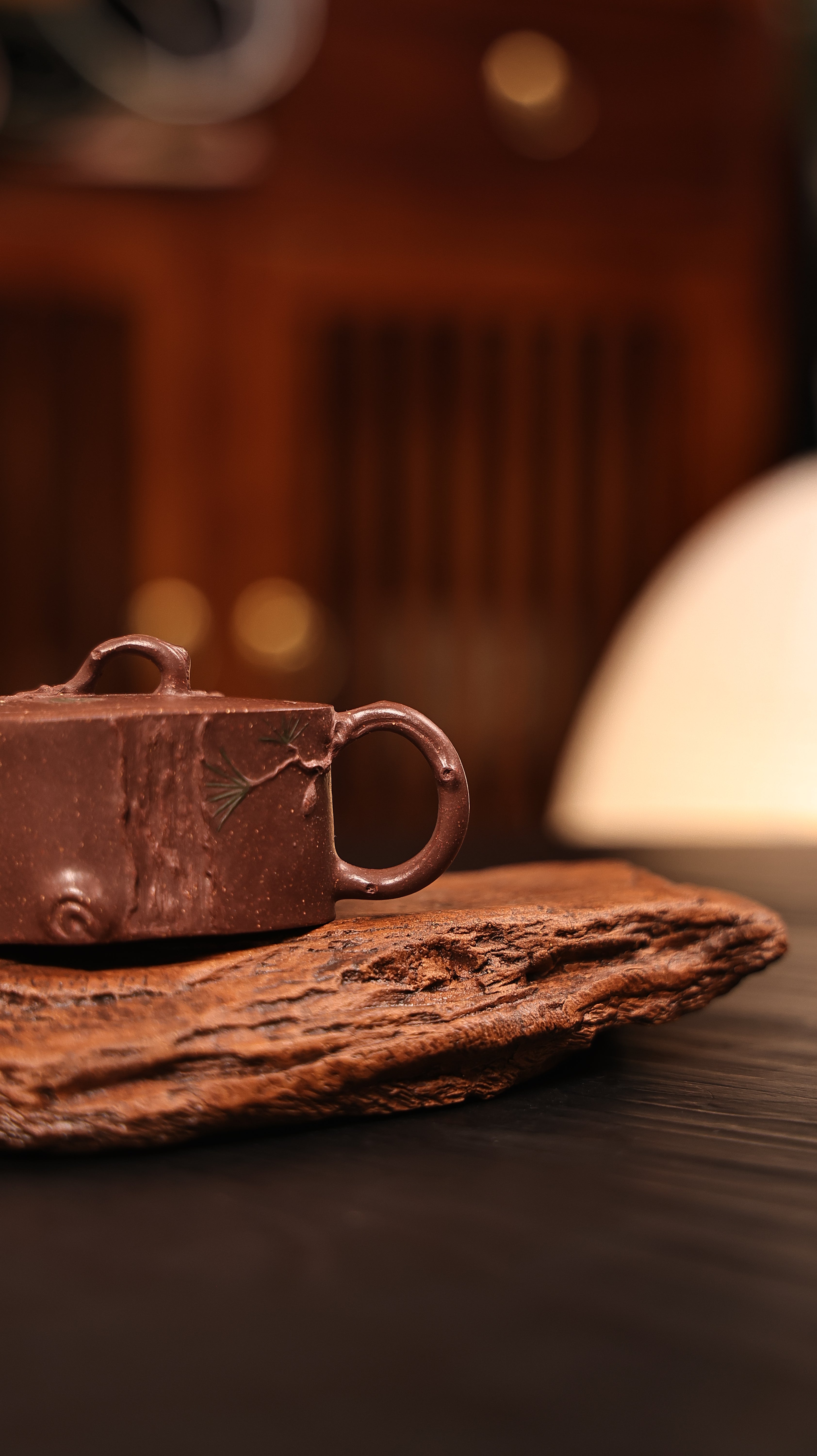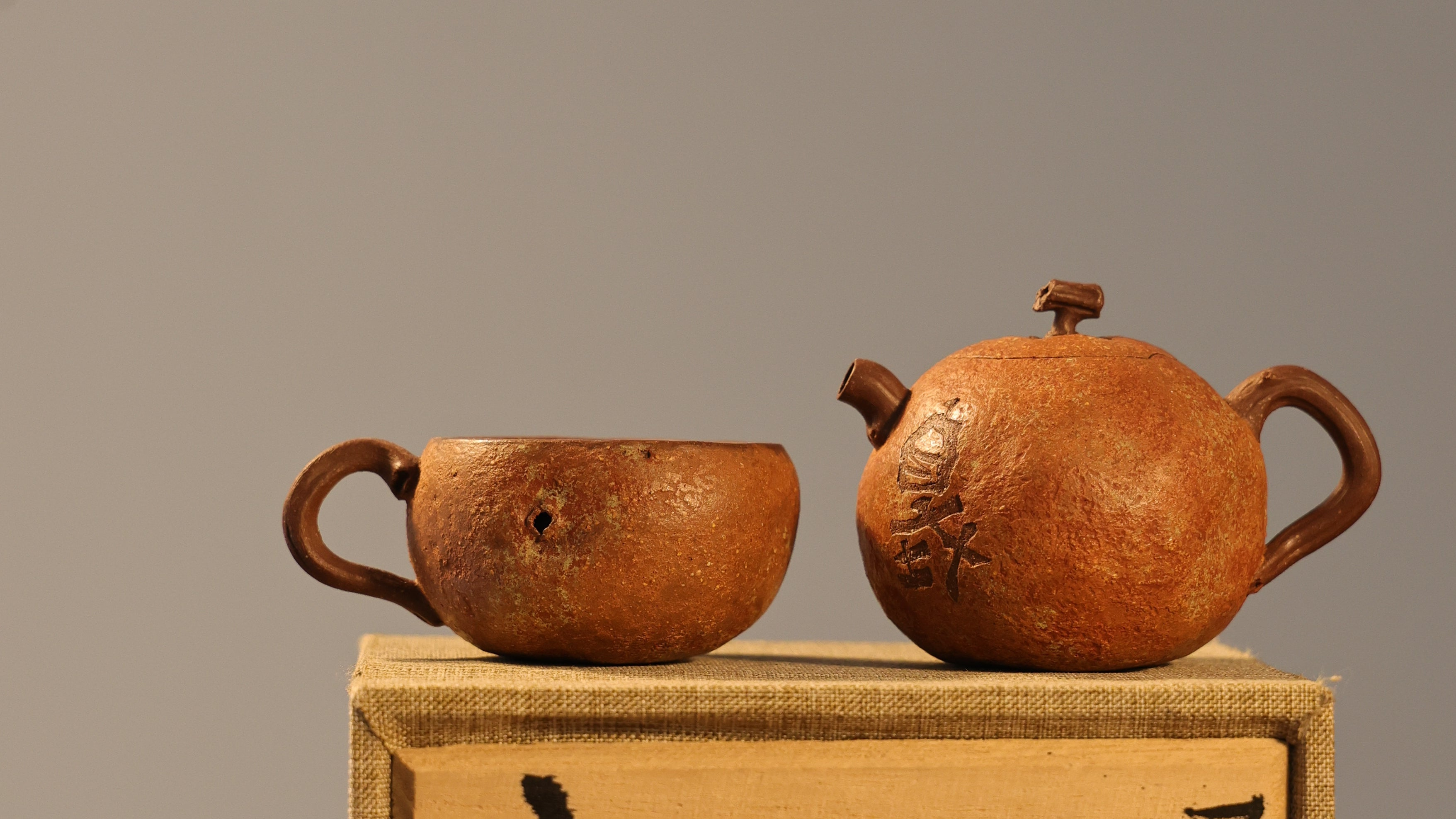
Unending tradition expresses Yixing clay vessels across decades,
Illustrating rare features sourced inside indigenous plum soils, such jars evolve a sheen after consumption, amplifying profile gathered from created extracts.
Unveiling Yixing Clay: In-Depth Insights into Zisha
Varied enthusiasts admire the unique structure of Yixing mulberry clay, a pillar of conventional Chinese teaware. Emanating from the Yixing region of Jiangsu province, this uncommon clay exhibits an elaborate mineral structure, that offers incredible qualities to the manufactured objects. Categories within Zisha, including Zhuni Mud, Duan Ni Mud, and Jiang Xi Mud, each has distinct pigments, grains, and curing traits, changing the absorption and the decisive note enhancement of the elixir.
Celestial Jar Rituals: Understanding Mastery
Far Eastern teapots embody greater than mere jars for beverage; they symbolize centuries of customary artistry. From the renowned Yixing clay variations, respected for their spongy nature which bestows special notes to the concoction, to the elegant porcelain from Jingdezhen, each piece reveals a record of devotion. The development process is an careful endeavor, often gifted through dynasties of makers. These connoisseurs use historic techniques such as hand-building, sculpting on wheels, and adorned, demonstrating profound reverence for the component and the practice itself. Imagine the effort invested in each piece as a symbol of Chinese tradition legacy.
- Chinese teapots: a distinguished selection.
- Refined china teapots: known for their beautiful design.
- Forming techniques: a exacting yet gratifying procedure.
Chinese Zisha Jar Preservation: Caring for Your Valuable Artifact
Fitting care of your esteemed Yixing Zisha teapot is fundamental to boosting its longevity. Crafted from noteworthy purple sand clay, these outstanding teapots form a subtle patina after utilization, substantially boosting their allure. Do not use solvents; a delicate rinse with pleasantly warm water is satisfactory. Eschew boiling water for rinsing the teapot, as it may weaken its body. Allow it to dry away from strong daylight. Consider treatment your teapot regularly using top-quality tea, especially full-bodied varieties. Here is a brief instruction:
- Wash out with lukewarm moisture.
- Eschew cleansers.
- Provide it to air dry.
- Cure with premium tea.
Background of Yixing Teapots: Initial Phases
The saga of Yixing teapots arises modestly during the Ming dynasty, approximately the 16th era. Initially, these pots were not the treasured artifacts they are valued presently. They were created by territorial potters using the unparalleled purple clay gathered solely in the Yixing vicinity. These early artifacts were mostly utilitarian, targeted for usual utilization and often unpretentious in layout. It was not until the next dynasty that they triggered to earn reputation beyond mere useful ceramics.
Picking the Proper Zisha Teapot: A Starter's Explanation
Starting the field of Yixing teapots can be discouraging, but refrain from doubting! For newcomers, the most important factor is understanding the clay. Validated Yixing clay is prized for its diffusibility, allowing the teapot to take in the tea's bouquet over time, improving every developing session. Think about the profile; traditional curved shapes prevail, yet unique preferences weigh. Lastly, inspect the texture—while some favor an unprocessed appearance, others prefer a gentle gloss. Take your time in the selection process—this is an buying in a treasured piece of art.
Zisha Pitchers and Their Contribution on Chinese Beverage Legacy
Zisha jars, coming from Yixing, China, have profoundly defined enduring Chinese drink culture. The Yixing clay teapots, prized for their singular hue, makeup, and exceptional ability to impart a subtle bouquet to the tea, exist as more than mere pots; they are admired objects and symbols of renown. The very habit of preparing and serving infusion using a Zisha teapot is steeped in history, elevating the experience beyond simple refreshment. Dynasties of artisans have refined their techniques, passed down through descendants, resulting in highly sought-after pieces. Consequently, Zisha teapots are frequently gathered, playing a crucial part in cultivating Chinese appreciation for aesthetics and the ceremony of beverage ceremonies.
- Peculiar Clay Composition
- Imparting Subtle Flavor
- Detailed Craftsmanship
Determining Verified Precious Local Pottery
Procuring a authentic Yixing teapot can be a enjoyable experience, but the market is often plagued with knockoffs. Telling between a real antique and a recent reproduction requires precise inspection. Key clues include the clay's rust-colored shade, often displaying banded patterns, and the void of modern kiln imprints. The contour should indicate natural elegance, reflecting the traditional Yixing approach. Finally, checking the maker's inscription is key to verify genuineness against recorded literature.
- Assess the clay's grain.
- Look for defects, indicative of crafted quality.
- Consult an professional for assessment.
Buying 宜兴 Earthenware: A Elaborate Guide to Purple Clay Interpretation
The environment of Yixing Zisha pottery affords a special chance for insightful investors. Continuously, the market price Chinese Teapot of these mastercrafted artifacts is driven by diverse variables, such as the category of earthenware, the craftsmanship of the creator, the ancestral notability, and, naturally, the modern attention. Rookies should concentrate on understanding the various species of Zisha clay—such as Ice River, Tranquil Vessel, and Scarlet Earth—and studying the properties linked to each. Exact review of the container's figure, tone, and stamp is further crucial to make knowledgeable choices when investing.