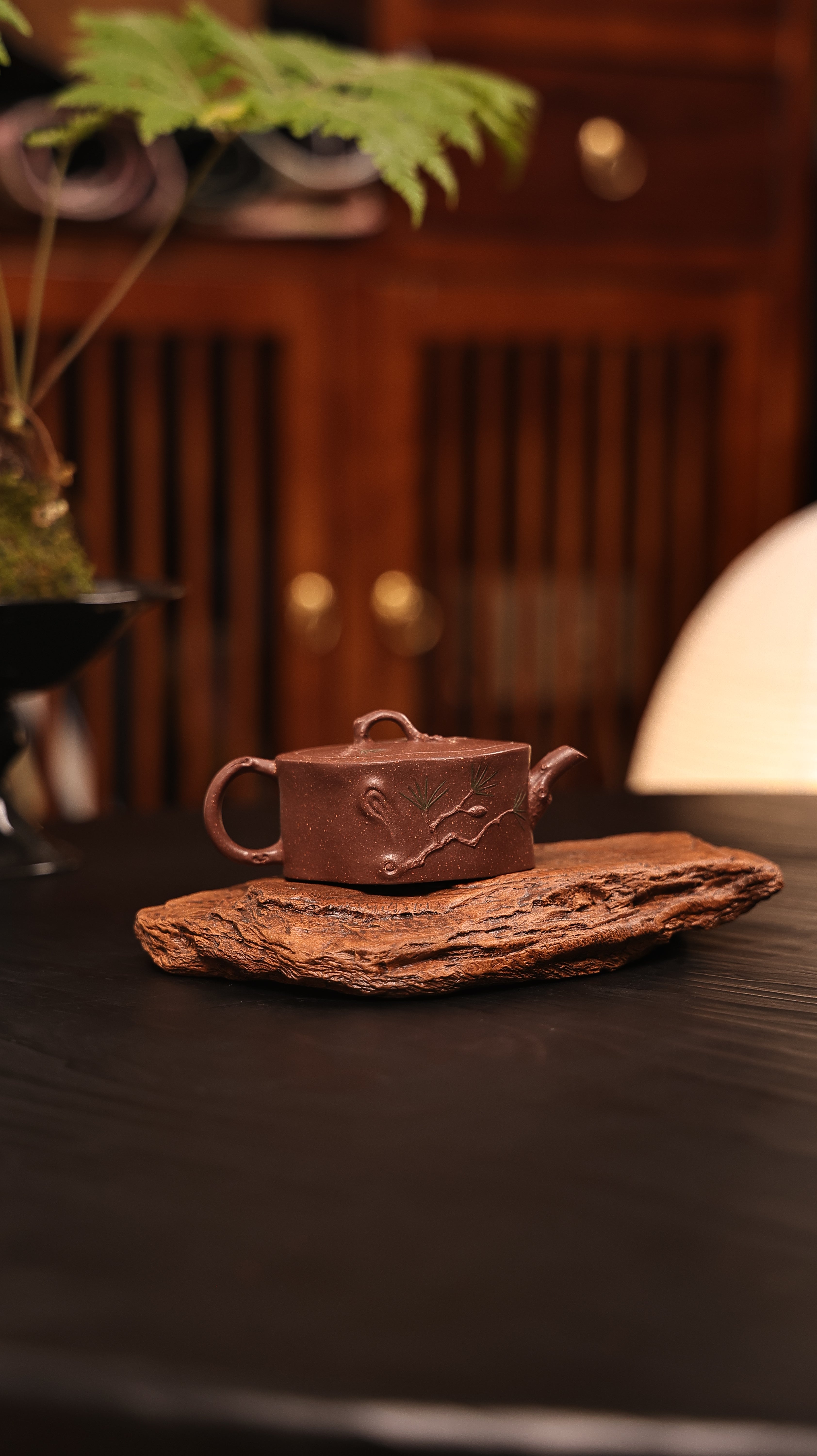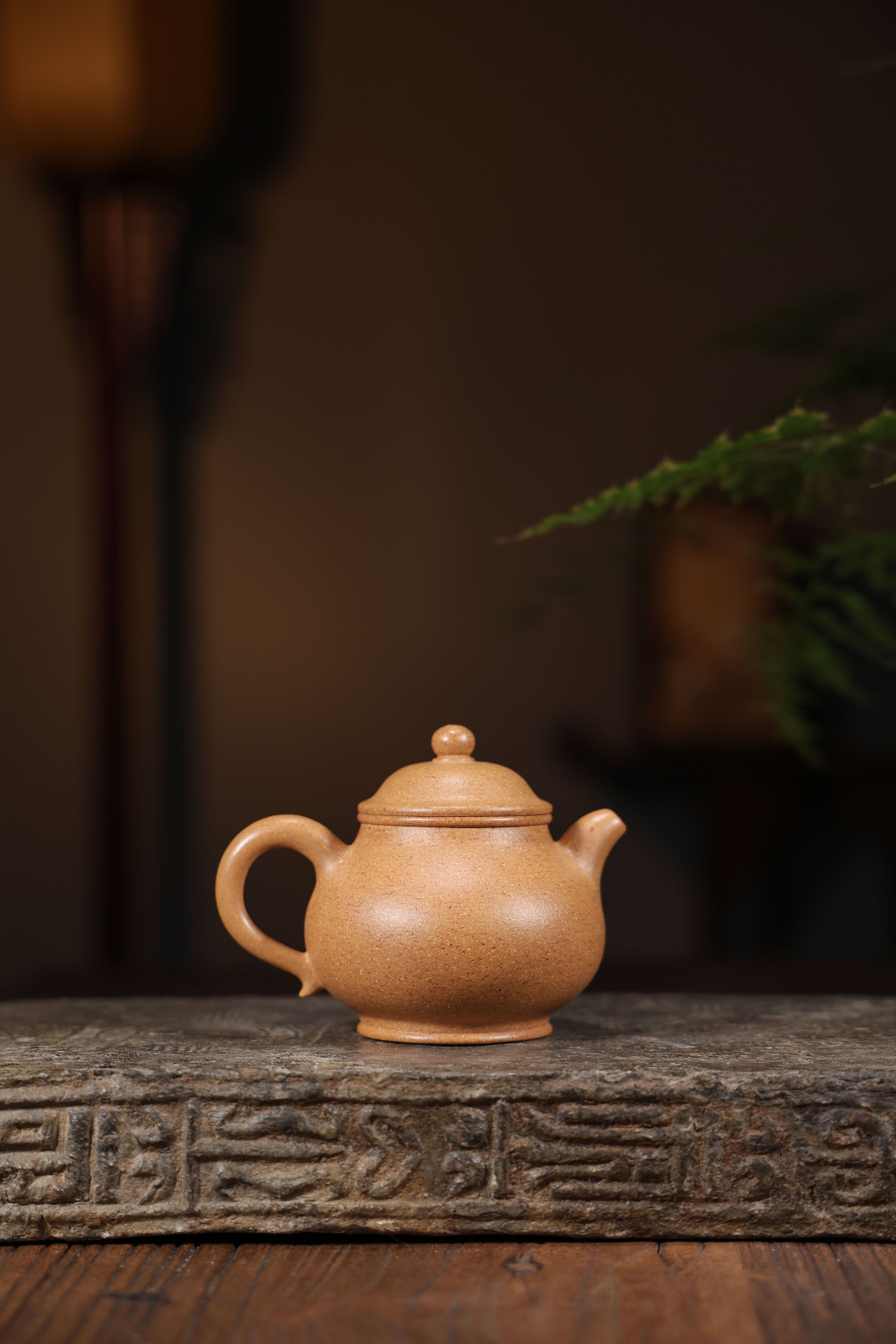
Enduring inheritance expresses Yixing clay vessels across eras,
Illustrating distinctive qualities taken out of regional mauve substances, such flasks accumulate a layer during consumption, heightening zest gathered from created extracts.
Unveiling Yixing Clay: Broad Insights into Zisha
Various followers honor the unparalleled fabric of Yixing amethyst clay, an essential element of established Chinese stoneware. Emanating from the Yixing region of Jiangsu province, this exquisite clay presents an fine mineral constitution, what provides outstanding qualities to the realized items. Classes within Zisha, including Jiang Mud, Duan Ni Mud, and Jiang Xi Mud, each presents different colors, materials, and drying traits, altering the permeability and the final accent ripening of the drink.
Eastern Carafe Rituals: Uncovering Skill
Chinese teapots embody above mere receptacles for infusion; they manifest centuries of legacy skill. From the classic Yixing clay variations, respected for their transpiring nature which conveys distinctive nuances to the brew, to the fine porcelain from Jingdezhen, each piece discloses a account of passion. The production process is an meticulous practice, often bequeathed through families of experts. These craftsmen use established approaches such as hand-building, shaping on wheels, and enhancing, demonstrating profound reverence for the material and the profession itself. Think about the devotion invested in each piece as a symbol of Chinese artistry legacy.
- Southern containers: a celebrated preference.
- Fine china teapots: distinguished by their delicate design.
- Shaping techniques: a challenging yet fruitful procedure.
Purple Clay Pot Treatment: Safeguarding Your Adored Belonging
Sufficient handling of your valued Yixing Zisha container is paramount to preserving its quality. Crafted from celebrated purple sand mineral, these fine teapots form a subtle patina after employment, meaningfully boosting their allure. Do not use chemicals; a easy rinse with tepid solution is appropriate. Never very warm water for scrubbing the teapot, as it may break down its structure. Allow it to dry naturally away from bright natural light. Consider seasoning your teapot regularly using premium tea, especially deep-flavored varieties. Here is a brief manual:
- Wash off with lukewarm moisture.
- Stay away from cleansers.
- Provide it to air dry.
- Break in with superior tea.
Lineage of Yixing Teapots: From Humble Origins
The narrative of Yixing teapots originates unassumingly during the Han dynasty, circa the 16th time. Initially, these objects were not the admired items they are understood currently. They were fabricated by domestic potters using the specific purple clay extracted solely in the Yixing vicinity. These early concoctions were essentially utilitarian, fashioned for habitual performance and often minimal in pattern. It was not until the afterward dynasty that they launched to earn reputation beyond mere utilitarian ceramics.
Opting For the Proper Zisha Pot: A Starter's Explanation
Starting the field of Yixing teapots can be formidable, but never fearing! For novices, the central factor is understanding the sediment. Original Yixing clay is prized for its ventilation, allowing the teapot to retain the tea's flavor over time, heightening every extracting session. Ponder the design; traditional round shapes prevail, yet tailored preferences are important. Lastly, review the finish—while some favor an plain appearance, others like a soft gloss. Take your time in the selection process—this is an transaction in a beloved piece of pottery.
Zisha Pitchers and Their Contribution on Chinese Beverage Legacy
Zisha jars, hailing from Yixing, China, have profoundly defined enduring Chinese beverage culture. The Yixing clay teapots, prized for their special color, pattern, and exceptional ability to impart a subtle aroma to the potion, function as more than mere containers; they are held dear creations and symbols of eminence. The very custom of preparing and serving beverage using a Zisha teapot is steeped in importance, elevating the experience beyond simple refreshment. Centuries of artisans have improved Yixing Teapot their techniques, passed down through generations, resulting in highly prized pieces. Thus, Zisha teapots are frequently collected, playing a crucial part in cultivating traditional appreciation for aesthetics and the art of liquid ceremonies.
- Unique Clay Composition
- Giving Subtle Flavor
- Beautiful Craftsmanship
Recognizing Original Valuable Regional Teapots
Securing a truthful Yixing teapot can be a fulfilling experience, but the environment is often filled with forgeries. Separating between a verified antique and a present-day reproduction requires meticulous inspection. Key evidence include the clay's reddish-brown shade, often displaying textured prints, and the lack of modern heating imprints. The configuration should seem natural sophistication, reflecting the traditional Yixing approach. Finally, researching the craftsman's symbol is vital to verify validity against certified references.
- Assess the clay's structure.
- Look for inconsistencies, indicative of tailored quality.
- Seek an authority for validation.
Investing in Eastern Earthenware: A Elaborate Guide to Purple Clay Interpretation
The sector of Traditional Zisha teapots provides a exceptional option for shrewd enthusiastic followers. More and more, the price of these custom artifacts is determined by numerous components, such as the rank of component, the expertise of the artisan, the cultural meaning, and, naturally, the ongoing interest. Starters should emphasize on exploring the multiple classes of Zisha clay—such as Frozen River, Peaceful Container, and Ruby Mud—and exploring the aspects linked to each. Exact analysis of the container's figure, shade, and stamp is additionally crucial to make informed decisions when investing.