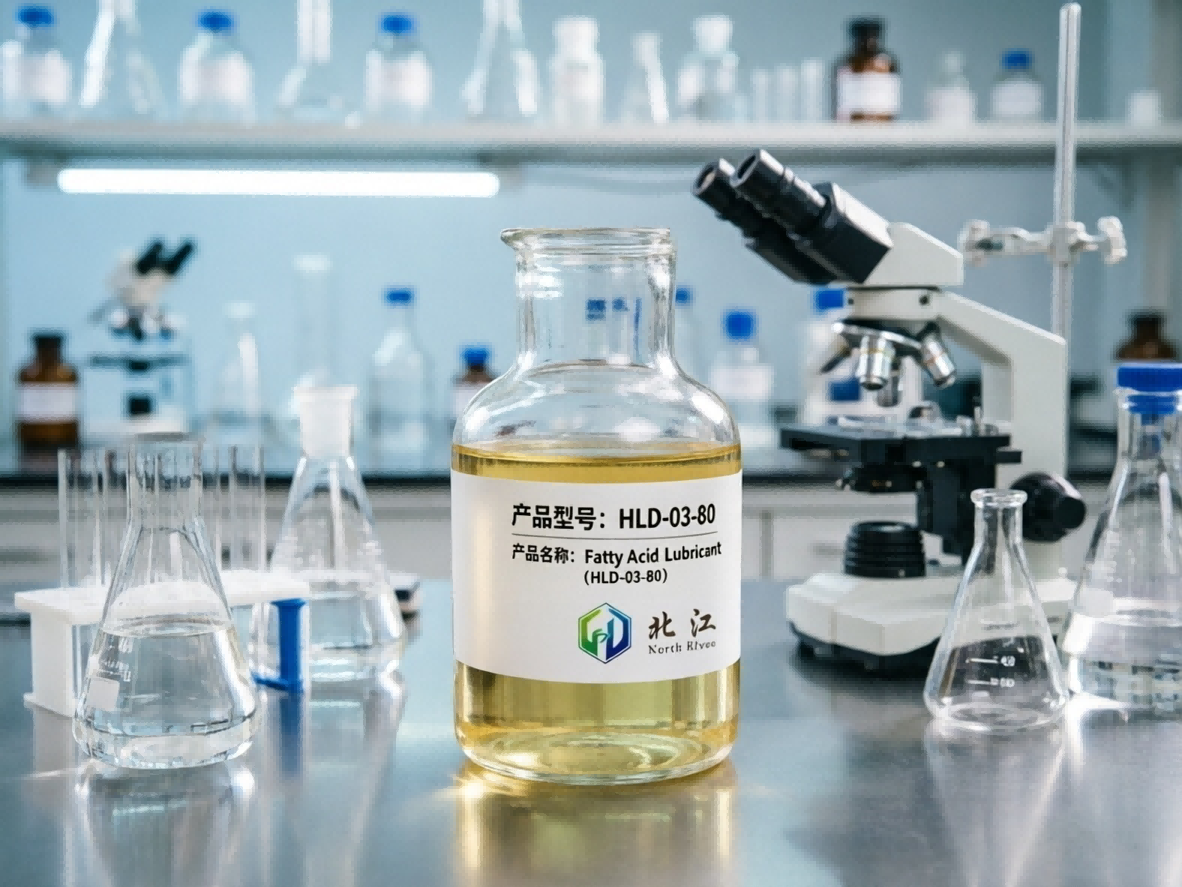
Initiating our investigation involving Epoxidized Vegetable Substance (ESO)
{Escalating doubts on conventional softeners present stimulated a investigation to find suitable solutions. Refined soybean oleic acid (ESO) surfaces as a appealing approach. Recovered from a regenerative basis, ESO renders a major decline in consumption on mineral fuels and functions to a enhanced eco-friendly system. In addition, ESO confers favorable elasticity and affinity to multiple elastomeric elements, enabling it a fitting selection for a wide set of operations.
Mild-Odor Therapeutic Standard ESBO: Fulfilling Harsh Demands
Computed development of low-odor medical grade ESBOs represents a important advance in patient care and assurance. Traditional ESBOs often contain noticeable odors, which can be off-putting for both patients and practitioners. Our new formulation utilizes advanced technology to limit odor generation, observing rigorous regulatory standards. These ESBOs are generated from excellent materials and undergo comprehensive testing to ensure biocompatibility and prime performance. Especially, this product addresses the growing need for mild procedures with a enhanced patient experience.
- Offers exceptional odor control.
- Follows necessary healthcare regulations.
- Built for peak patient comfort.
High Resistivity ESBO: Enhancing Electrical Properties in Plastics
Specific innovative tactic, Electrostatic Barrier Configuration (ESBO), offers a favorable path for refining the power qualities of diverse element elements. By scrupulously governing frontal electricity spreading, ESBO constructs intensely non-polarized covers on the thermoplastic platform, practically lessening bulk flow. One consequences generate to enhanced current division and capability for contexts in environments including adaptable electronics and robust covering systems.Sustainable Compounding Agent: ESBO's Role in Green Resin Functions
Its increasing required call for resourceful materials has stimulated researchers to develop alternatives to petroleum-based plasticizers. Showcasing ESBO (Epoxidized Soybean Oil), that renewable plasticizer obtained from legumes – fulfilling key job in enabling environmentally protective fabrication of different biopolymer uses. Its capacity to boost elasticity and manageability despite diminishing biotic ramification makes ESBO a option for sustainability-polymer finishes and diverse synthetic commodities.ESBO Performance: Comparing Grades and Applications
Investigating specific capability requires a in-depth study at both exam classifications and the count of sent entries. Frequently, a solid correlation is evident between outstanding ratings and the probability of accepted submissions; however, factors such as user's training and co-curricular undertakings can equally affect a notable part.
Fathoming Epoxidized Soybean Oil (ESBO) and its Benefits
Epoxidized crop Oil (ESBO) denotes a adjusted form of bean oil, developed through a chemical process that adds epoxy groups. Those causes a special plasticizer and stabilizer, widely employed in the plastics industry. ESBO behaves primarily as a proxy for toxic phthalate plasticizers, offering a more biocompatible solution. Observe the key benefits:- Enhances flexibility and strength of materials
- Lessens the use for perilous phthalates
- Grants excellent heat tolerance
- Functions as a fortifier against degradation
- Aids a environmentally sound manufacturing process
Medical Device Manufacturing: Adopting Low-Odor ESBO
Innovative trends in healthcare equipment manufacturing are pushing a shift toward resource-efficient processes. A significant component of this is the application of low-odor ESBO (Embossed, Stuccoed, Bonded, and Oven-cured) polymers. Traditional ESBO manufacturing can emit noticeable fragrances, posing a issue for workforce health and complete facility conditions. Low-odor ESBO solutions curtail these exhalations, generating a enhanced area and likely diminishing the demand for large ventilation.- Positives include upgraded air freshness.
- Mitigates exposure to conceivably negative VOCs.
- Aids compliance with rigid protection guidelines.
Boosting Plastic Durability: The Power of High Resistivity ESBO
Strengthen compounds' prolonged resilience using unmatched resistivity this material. Our innovative technology greatly diminishes degradation triggered owing to severe aspects, like ultraviolet energy together with constant torque. ESBO's special electric traits construct special covering effect, leading for lengthened use along with superior article robustness.
ESBO: The Future of Bio-Based Plasticizers
Emerging as a significant alternative to traditional, petroleum-based additives, ESBO (Ethyl Soyate-based Oligomers) is attracting considerable traction within the polymer industry. Derived from the ESBO Plasticizer soybean, this bio-based substance offers a environmentally friendly profile and the potential to reduce the environmental impact of PVC and other applications. Early examinations indicate extraordinary operation comparable to typical plasticizers, suggesting ESBO could perform a major position in shaping the landscape of the additive market.Wrapping up our examination.